How to Maintain Your Fence Through Every Season
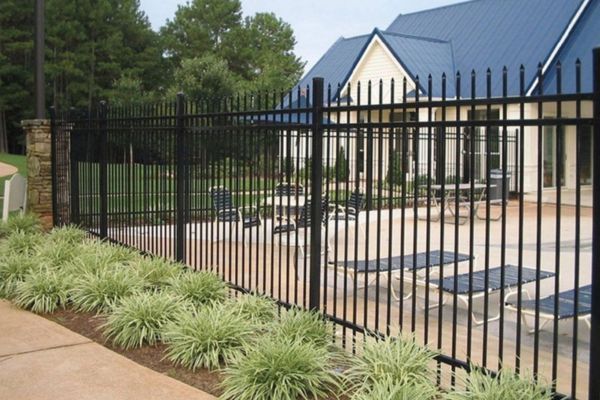
Your fence isn’t just a boundary — it’s an investment in your home’s security, privacy, and aesthetic appeal. With proper maintenance across the seasons, you can extend its life, prevent damage, and keep it looking its best. Below is a season-by-season guide (plus some year-round tips) to help you care for your fence no matter the weather.
Spring — Time for Inspection & Cleanup
After winter, spring is the ideal moment for a full fence check-up.
-
Inspect thoroughly: Walk the entire fence line and look for signs of damage — loose or cracked boards/panels, leaning posts, rusted or loose nails/fasteners, and any signs of rot, mold, or mildew.
-
Clear debris and vegetation: Remove leaves, twigs, or any debris that accumulated over winter. Also trim back bushes or vines that touch the fence — overgrown vegetation can trap moisture and hide potential damage.
-
Clean the surface: For wood fences, scrub with mild detergent, for vinyl or metal fences, hose down or use soapy water as appropriate. Cleaning helps reveal any damage early and removes mildew, mold, or grime.
-
Plan repairs: Make a list of any issues (warped boards, loose posts, rust, etc.) so you can address them promptly before damage worsens.
Summer — Heat, Sun, and Guarding Against Wear
Summer brings strong sun, heat, and sometimes heavy rain — all of which can stress your fence.
-
Watch for sun damage and drying: Wooden fences can dry out, crack or warp; metal fences can rust. If your fence has a coating (paint, stain, or sealant), check it carefully.
-
Clean again: Dirt, pollen, mildew, and grime accumulate more in summer. Use a soft-bristle brush or gentle pressure washer (on low setting) for cleaning. Vinyl and metal fences also benefit from washing.
-
Refresh protection: For wood fences — sanding rough spots and applying a waterproof sealant or UV-resistant stain helps prevent future moisture or sun damage. For metal fences — check for rust, treat it with rust-inhibiting primer/paint, and lubricate hinges or moving parts.
-
Control vegetation and pests: Summer heat encourages plant growth — trim back plants, vines, or shrubs near the fence. Also be alert for insect activity (e.g. termites, ants) that can damage wood.
Autumn — Prepare for the Wet & Cold Ahead
Fall is a preparatory season: it’s your last chance to get the fence ready for harsher weather.
-
Clean up leaves and debris: Clear fallen leaves, soil build-up and brush from around the fence base. Leftover debris holds moisture and can lead to wood rot or metal corrosion.
-
Inspect & secure: Check for loose fasteners, nails, screws, or wobbly posts and tighten or repair them. Loose hardware and gaps can allow water infiltration.
-
Improve drainage & ground stability: Ensure soil slopes away from the fence so water doesn’t pool around the base — standing water can cause rot or rust. Also clear vegetation that might trap moisture.
-
Seal or weatherproof: For wood fences especially — applying a protective sealant or water-repellent coating helps resist the tendency of autumn rains to seep into the material.
Winter — Protection & Damage Prevention
During the cold or rainy season (or simply in a damp climate), fences face moisture, frost, and sometimes heavy winds. Winter maintenance is less about beautification and more about preservation.
-
Avoid piling snow or ice against the fence: Heavy snow or ice against the fence can warp wood, bend metal, or shift posts. After storms, gently clear snow with a broom or plastic shovel (avoid metal tools that can scratch or damage the surface).
-
Maintain hardware & moving parts: Cold and moisture can make hinges, latches, and locks seize or rust — apply a weather-resistant lubricant as needed.
-
Avoid harsh chemicals: If you use de-icers or salts in your yard, avoid spreading them near your fence: salts can accelerate wood rot and metal corrosion.
-
Perform post-storm inspections: After any big storm, check the fence for leaning posts, loosened panels, rust spots, or cracks. Prompt repairs help avoid bigger problems later.
Year-Round Best Practices
-
Regular inspections — Do a quick walk along your fence every few months regardless of season. Look for loose nails/screws, signs of rot, rust, or structural instability.
-
Keep the base clean and dry — Avoid letting soil, leaves, or mulch pile up against the fence. Moisture at the base is a common source of rot or corrosion.
Control surrounding vegetation — Plants, bushes, or vines that touch the fence retain moisture and can scratch or warp the material. Trim regularly.
-
Seal, paint, or treat as needed — Whether wood, metal, vinyl, or composite, applying protective coatings appropriate to your fence type enhances longevity.
-
Know when to call a pro — If you find major issues — leaning posts, rotting sections, significant rust, or structural damage — professional repair or even replacement might be necessary. That’s where expert “fence installation” services come in handy.
When Maintenance Isn’t Enough — Consider Professional Help
If during your inspections you discover serious structural issues — extensive rot, repeated warping, rust spreading, unstable posts — it may be time to call professionals. Proper fence installation (or quality repair) can ensure that your fence is built right from the start — with correct post foundations, good materials, and solid construction — which drastically reduces maintenance needs in the long run.
Final Thoughts
Maintaining a fence is not a one-time job — it’s a year-round commitment. But by aligning your care with the changing seasons, you can catch problems early, protect against weather damage, and keep your fence functional and attractive for years. Consistent upkeep doesn’t just save you money over time — it preserves the safety, privacy, and curb appeal of your home.


Comments
Post a Comment