Signs Your Home Needs Rewiring
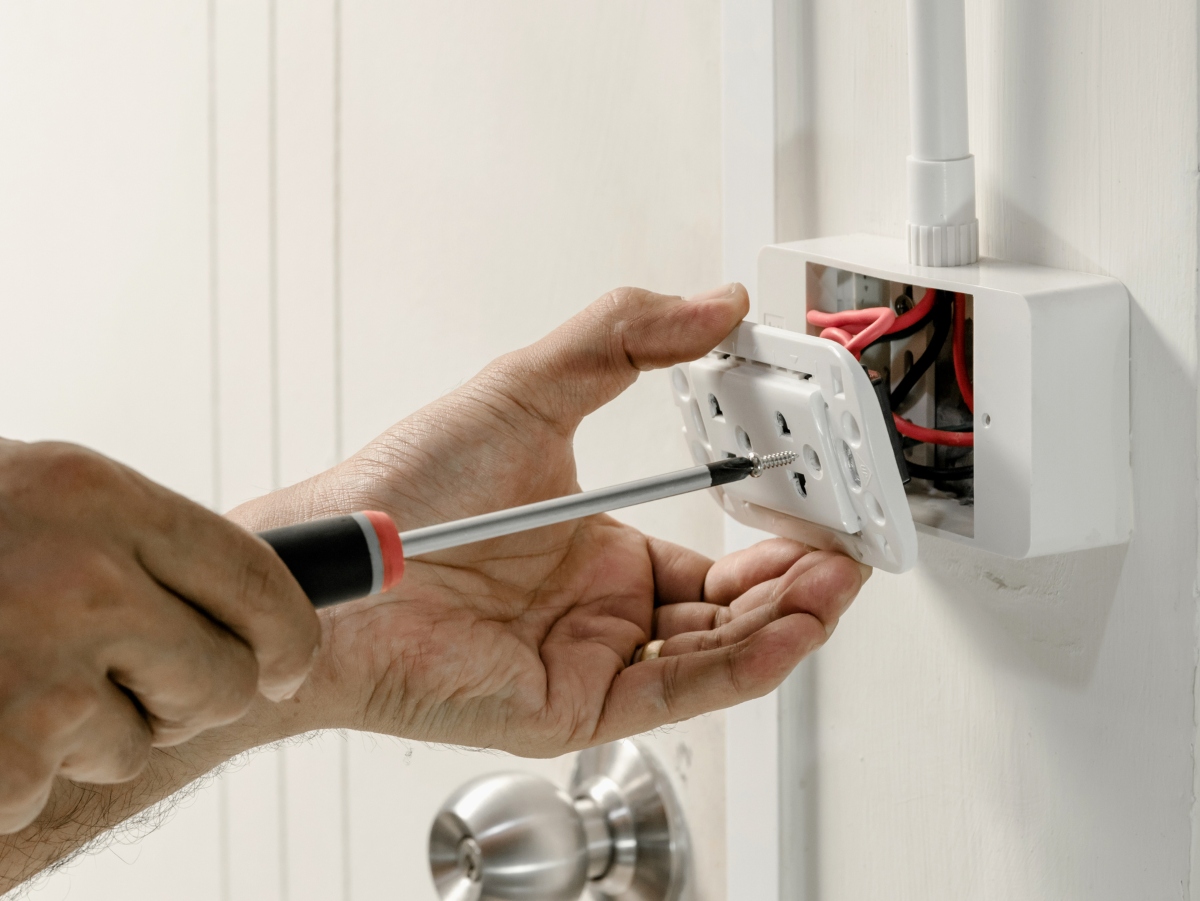
Your home’s electrical system works behind the walls — out of sight. Because of that, it’s easy to ignore early warning signs of electrical problems. But when issues start to show, they should never be dismissed as mere annoyances. Below are common, evidence-based signs that your house may need rewiring — and why you should take action sooner rather than later.
Why Rewiring Matters
Wiring degrades over time. Materials that were safe decades ago can become brittle, loose, or unable to handle modern electrical loads. Outdated wiring increases the risk of electrical shocks, overheating, sparking, or even house fires.
Upgrading wiring ensures your system can safely accommodate today’s demands — more appliances, gadgets, and greater power usage.
Common Warning Signs
Here are some of the most reliable red flags that suggest it might be time to rewire your home:
| Sign | What it Means / Why It’s Serious |
|---|---|
| Frequent circuit-breaker trips or blown fuses | If breakers or fuses trip often — more than “once in a while” — your wiring may be overloaded or faulty. Frequent trips suggest the system is struggling to handle your home’s load. |
| Lights flicker or dim when using appliances | Flickering or dimming lights can mean loose wiring, corroded connections, or circuits that can’t cope with modern power demands. This can be an early warning of deeper wiring issues. |
| Burning smells, scorch marks, or discolored outlets/switches | A burning or plastic-like odor — or visible browning or charring around sockets or switch plates — signals overheating or arcing inside wiring, which is a serious fire hazard. |
| Outlets and switches feel warm, buzz, or vibrate | Electrical components should stay cool and silent. Heat, buzzes, or vibrations usually point to loose connections, overloaded circuits, or failing wiring. |
| Frequent power surges or unexplained shocks when plugging in devices | Surges, sparks, or mild shocks when plugging things in are never normal. They could mean insulation is failing or wiring is damaged — both of which increase shock and fire risk. |
| Your home is old (especially 30 + years) and has never been rewired | Building codes and standards evolve. Older wiring — often rubber- or fabric-insulated, aluminum, or knob-and-tube — may no longer meet safety standards, especially for modern use. |
| Insufficient outlets, heavy reliance on extension cords or power strips | If most plugs in the house are full and you're using many extension cords or power boards, it's a sign your wiring layout can’t meet modern electricity demand. It may lack enough circuits or be undersized for today’s loads. |
What to Do If You See These Signs
-
Don’t ignore them. What may begin as flickering lights or occasional breaker trips could escalate into serious hazards like electrical fires, shocks, or damage to appliances.
-
Cut power and stop using suspicious outlets or switches. If you smell burning or notice scorching or heat, turn off the circuit and switch off the main breaker if possible.
-
Call a licensed electrician. Only a qualified professional can properly inspect wiring inside walls and evaluate whether partial or full rewiring is needed.
-
Consider upgrading to modern wiring standards. This includes grounded outlets, proper load-capacity circuits, adequate number of circuits, and insulation materials that meet current safety codes.
-
Plan for disruption. Rewiring can be invasive and costly — often requiring opening walls, rewiring circuits, and replacing outlets, switches, and the electrical panel. But the investment is worth it for safety and long-term peace of mind.
When It’s Worth It
-
If your home is decades old and still has original wiring.
-
If you’re renovating or adding new rooms / appliances.
-
If you notice any of the warning signs above.
-
If you want to ensure your home meets modern safety standards for your family’s safety — and for value when selling.
Updating your wiring is not just about convenience — it’s essential for safety and for adapting to today’s electrical demands.
If you decide it’s time to act, consider contacting a trusted provider of electrical services — ideally a licensed, experienced electrician — to inspect your home and give a professional recommendation.


Comments
Post a Comment